 |
|
|
|
|  | 3Rd Edition Us Eagle Penny Collector Souvenir Elongated Pressed Coin Book Album $8.99 | |
 | New Penny Passport Souvenir Elongated Pressed Smashed Collector Book Holds 44 $6.95 | |
|
| 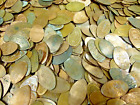 | Elongated Pennies, Pressed Pennies , 500+ Unsearched - Item 9060 from Ktonva $99.00 | |
 | New Listing1901 Pan-American Exposition Elongated Cent - Word'S Fair - Charging Buffalo $19.99 | |
|
|  | Penny Farthing Furnishings Elongated Denomination Set Penny Nickel Dime Quarter $6.24 | |
 | 1933 Chicago Century of Progress Elongated Cent, M&D-60, Ngc Ms-64Bn, Top Pop $110.00 | |
|
|  | Niagara Falls Elongated Pressed Copper Penny Lot of 2 Different Designs $3.50 | |
 | Elongated Pressed Penny Souvenir Album Book Free Shipping! *Fast Ship!* $9.99 | |
|
|  | New ListingHard Rock Cafe Carnival Mask - Foreign Venice Italy Elongated Pressed Coin $12.00 | |
 | 100 Elongated Pennies - Smashed Pennies - Pressed Pennies - Unsearched Item#9065 $29.95 | |
|
|  | Elongated Cent, 1933 Chicago Century of Progress, M&D-30, Ngc Ms-65Bn $95.00 | |
 | Disney 100th Anniversary Extra Large Pressed Penny Book - Holds 144 Coins $19.99 | |
|
|  | In28 - complete set 4 elongated pennies Uranus Fudge Factory Richmond Indiana $7.99 | |
 | Civil War Soldier Cannon Gettysburg Pennsylvania Elongated Pressed Smashed Penny $19.99 | |
|
| 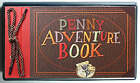 | Penny Adventure Book $7.95 | |
 | Elongated Penny (Trump Plaza, Atlantic City) Djt Bankrupt Maga $19.99 | |
|
|  | Land Of The Free Because Of The Brave Veteran's Elongated Pressed Copper Penny $2.24 | |
 | Lot Of (2) - Trump 2024 & Let'S Go Brandon - Elongated Cents 1000 Rolled $3.00 | |
|
|  | Memories Cabela's Cowboy - Press Coin Elongated Penny Souvenir $2.99 | |
 | 2016 Trump Pence Maga Elongated Pressed Copper Penny $2.24 | |
|
| 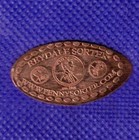 | Ryedale Coin Sorter "Error" Elongated Pressed Copper Penny $2.44 | |
 | Orlando Falls World's Vacation Capital - Press Coin Elongated Penny Souvenir $2.99 | |
|
|  | Oahu Hawaii 11/9/2009 Ec Collectors Mini Meet Elongated Pressed Copper Penny $2.26 | |
 | Joe Biden 46th President Elongated Denomination Set Penny Nickel Dime Quarter $6.17 | |
|
|  | 2022 Year 3 "We've Had Enough" Elongated Pressed Copper Penny $2.24 | |
 | Oaks Park Portland Oregon Retired Elongated Pressed Copper Penny Set $5.77 | |
|
|  | Elongated Pressed Penny Souvenir Album Book . Branson Missouri 42 coins $5.00 | |
 | Collection of 10 Different Elongated Coins- Military Aircraft $10.00 | |
|
|  | Universal Studios Orlando Ioa Harry Potter Pressed Penny Collectible 8 Piece Set $10.95 | |
 | 100+ Assorted Pressed Elongated Pennies From Florida See Description $24.95 | |
|
|  | Hawaii Forty Niner Reastaurant Aiea *Since 1947 Elongated Pressed Copper Penny $2.26 | |
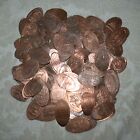 | B1. Lot Of 100 Elongated Pressed Cents / Pennies; Collect, Trade, Zoo, History+ $24.95 | |
|
|  | Retired Set of Elongated Coins, New York Thruway, Chittenango Rest Stop Copper $3.50 | |
 | New ListingHard Rock Cafe - Foreign Venice Italy Symbols Elongated Pressed Coin $10.00 | |
|
|  | Elongated Penny Lot (*4 Coin Collection* Fresno Coin Gallery *Steel Pennies*) $4.99 | |
 | Compton Hill Water Tower St Louis Mo Elongated Pressed Copper Penny $2.26 | |
|
|  | Elongated Pennies-Heinz History Center- Pittsburgh, Pennsylvania *Copper* $5.00 | |
 | 20 Pcs Mix Of Exonumia: Tokens, Medals, Souvenir Medallions, Elongated Coins. $22.95 | |
|
|  | Kamala Harris Commemorative Elongated Denomination Set Penny Nickel Dime Quarter $5.88 | |
 | 6 Vtg Elongated Ana Convention Georgia 1987. Amazing Set! Read Description B218 $55.00 | |
|
|  | '78 A.N.A. Mid Continent Coins ~ Elongated Penny on a 1978 cent (El-38) $5.00 | |
 | Smashing Pennies Makes. Elongated Denomination Set Penny Nickel Dime Quarter $5.88 | |
|
|  | New ListingRandom Mixed Lot Of 8 Different Elongated Pressed Pennies Souvenir Coins $9.99 | |
 | 1934 Chicago World's Fair World's Largest Fountain Elongated Coin Ill-Cpie 84 $20.00 | |
|
|  | 100+ Assorted Pressed Elongated Pennies From Oregon See Description $24.95 | |
 | Flint Flying Eagle Coin Club elongated penny cent 1971 S. 2016 60th Anniv. T2305 $3.15 | |
|
|  | 1935 San Diego World's Fair Calif Expo Ford Building Elongated Coin Cal-Ae 8 $20.00 | |
 | Elongated 1970's Coins 150 Coin Mixed Lot Includes Silver Coinage $168.98 | |
|
|  | 100+ Assorted Pressed Elongated Pennies From Wisconsin See Description $24.95 | |
 | 100 Random Elongated Pennies #122200 $14.00 | |
|
|  | 1934 Chicago World's Fair Lama Temple of Jehol Elongated Coin Ill-Cpie 86 $30.00 | |
 | Elongated Penny (Aldrin & Armstrong :Usa Lands First Men on the Moon 7/ 21/1969) $16.99 | |
|
|  | Boy Scouts Bsa Merit Badge Elongated Denomination Set Penny Nickel Dime Quarter $6.24 | |
 | 2012 Winchester Mystery House San Jose Ca Elongated Pressed Copper Quarter Penny $2.97 | |
|
|  | New York World'S Fair Statue Of Liberty Elongated Cent Us Bronze Penny Coin $95.00 | |
 | Collection Elongated Cents in Album - 34 Coins - Pressed Cents - (Bh/Exx) $29.95 | |
|
|  | New Listing1901 Pan-Am Liberal Arts Armour's Dainty Canned Meats Chicago - Elongated Penny $35.00 | |
 | 1936 Great Lakes Expo Cleveland Ohio U. S. A. Penny Coins Elongated 3 Different $57.00 | |
|
| 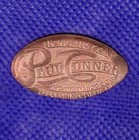 | 2010 Paul Conner Business Card Elongated Pressed Copper Penny $2.26 | |
 | The Serenity Prayer Elongated Pressed Copper Penny $2.17 | |
|
|  | New ListingColorado National Monument Elongated Pressed Penny $5.00 | |
 | Lot Of 64 Disney Parks Pressed Pennies Elongated Coins And A Collector’s Book $49.99 | |
|
| Click to see more Elongated Coins items at www.ebay.com
Prices current as of last update, 05/21/25 11:34am.
|
|
|






 Home
Home Elongated Coins
